AI Summaries
 Action Items
 AI Chat
 Teams & Collaboration
 Teams & Collaboration
 Teams & Collaboration
 Teams & Collaboration
 Teams & Collaboration
 Teams & Collaboration
 Teams & Collaboration
 Teams & Collaboration
 Teams & Collaboration
 Integrations
  Personal Productivity
 Blog
Blog  Guide
Guide Meetings are full of good ideas. People discuss problems. They propose solutions. They agree on next steps. But then everyone leaves. And nothing happens.
The gap between discussion and action is where projects die. Ideas without owners do not get done. Tasks without deadlines are never urgent. And vague commitments are easily forgotten.
This guide shows you how to bridge that gap. You will learn how to turn every important discussion into a specific, trackable action item. And you will get techniques to make sure those actions actually get done.
Want automatic action item tracking? MeetingNotes extracts tasks and owners from your meetings automatically.
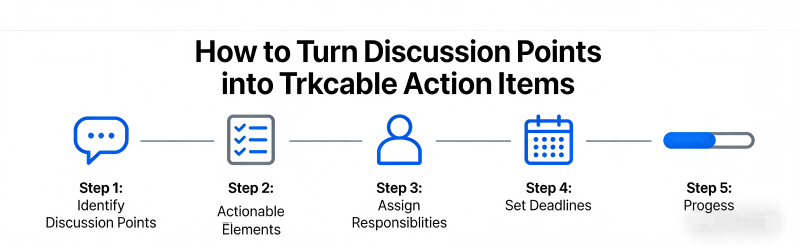
The Problem: Good Discussions, No Results
Most meetings follow the same pattern. People talk. Ideas flow. Everyone feels productive. Then the meeting ends. And the energy dissipates.
Why this happens:
· No clear ownership. Someone should do something. But no one is named.
· Vague commitments. People agree to look into things or think about options.
· Missing deadlines. Tasks without due dates are never urgent.
· No follow-up system. No one checks whether things got done.
The result is meeting after meeting covering the same topics. The same problems. The same discussions. And the same lack of progress.
What Makes a Good Action Item
Not every discussion needs to become an action item. But when something does, it needs to be done right. Good action items have four essential parts.
Specific Task
The task must be clear and concrete. Create Q2 marketing plan is specific. Work on marketing is not.
· Good: Draft email campaign for product launch
· Bad: Do something about marketing
Single Owner
Every action item needs one person responsible. Not a team. Not a department. One individual who owns the result.
· Good: Owner: Sarah Chen
· Bad: Owner: Marketing team
Clear Deadline
Due dates create urgency. They enable prioritization. And they make accountability possible.
· Good: Due: March 15
· Bad: Due: Soon
Success Criteria
How will you know it is done? Clear criteria prevent endless revisions and missed expectations.
· Good: Deliverable: Final approved budget spreadsheet
· Bad: Deliverable: Budget stuff
Capturing Action Items During the Meeting
The best time to capture action items is when they are discussed. Wait until after the meeting and details get lost.
Techniques for capturing tasks live:
· Assign a note-taker. Someone should focus on capturing decisions and tasks, not participating.
· Use a visible tracker. Project a shared document showing action items as they are assigned.
· Confirm out loud. When a task is assigned, repeat it. So we are saying Sarah will deliver the report by Friday?
· Capture immediately. Write it down right then. Do not wait.
The Action Item Capture Format
Use this simple format for every action item:
· Task: [Specific description of what needs to be done]
· Owner: [Name of individual responsible]
· Due: [Specific date]
· Status: [Not started / In progress / Complete / Blocked]
· Notes: [Any relevant context or dependencies]
Example:
· Task: Create Q2 marketing budget proposal
· Owner: Sarah Chen
· Due: March 15
· Status: Not started
· Notes: Need sales projections from Mike first
Building a Follow-Up System
Capturing action items is only half the battle. You also need a system to track them. Without follow-up, tasks are forgotten.
Elements of a good follow-up system:
· Central tracker. All action items in one place. Not scattered across emails and notebooks.
· Regular review. Check status at every meeting. Start with previous action items.
· Status updates. Know what is done, what is in progress, and what is blocked.
· Escalation process. When items are blocked, know how to unblock them.
The Weekly Review
Every week, review all open action items. Check what was completed. Update what is in progress. Identify what is stuck. And adjust priorities as needed.
Common Traps to Avoid
Watch out for these pitfalls:
· The group task. If everyone is responsible, no one is responsible. Always assign one owner.
· The ASAP deadline. ASAP means never. Always set a specific date.
· The vague deliverable. Know exactly what done looks like.
· The missing context. Note dependencies and requirements. Future you will thank present you.
· The set-and-forget. Action items need regular review. Do not just capture and ignore.
How AI Automates Action Item Tracking
Manual action item tracking takes time. You have to listen carefully. Write quickly. And then transfer everything to a tracker later.
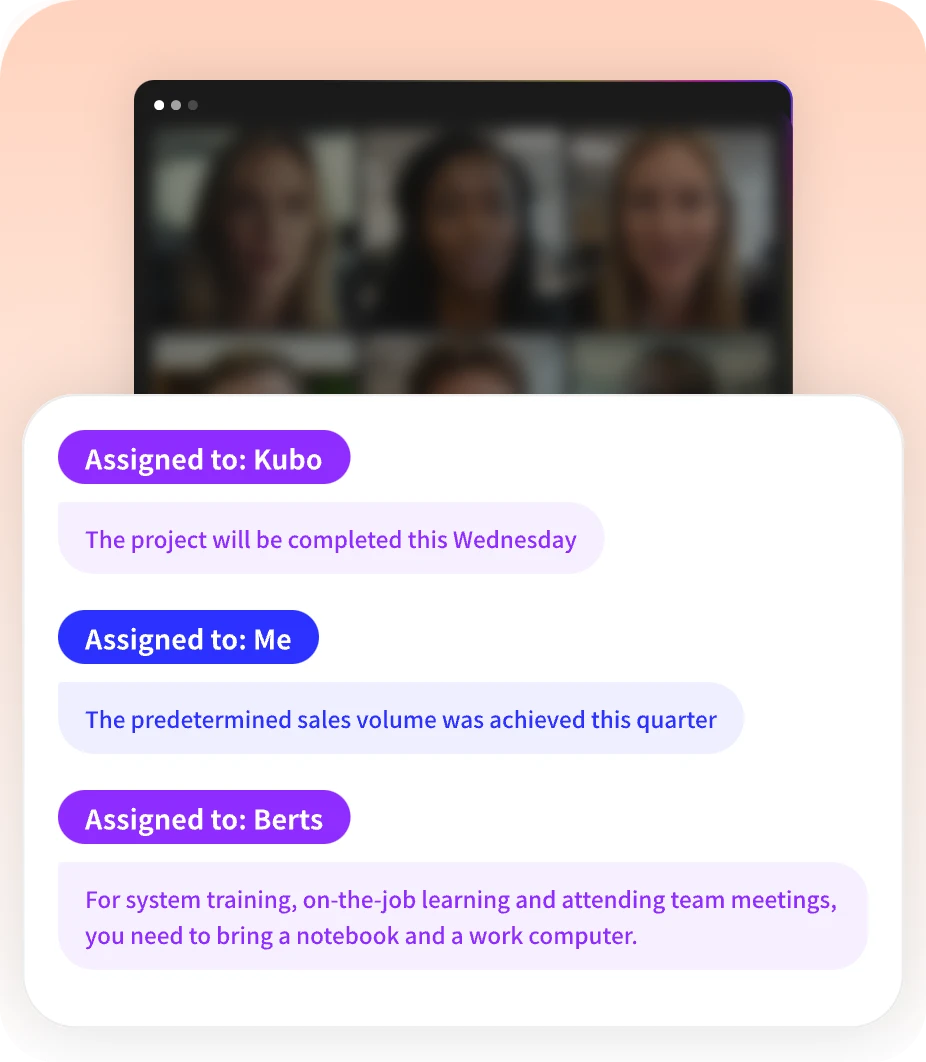
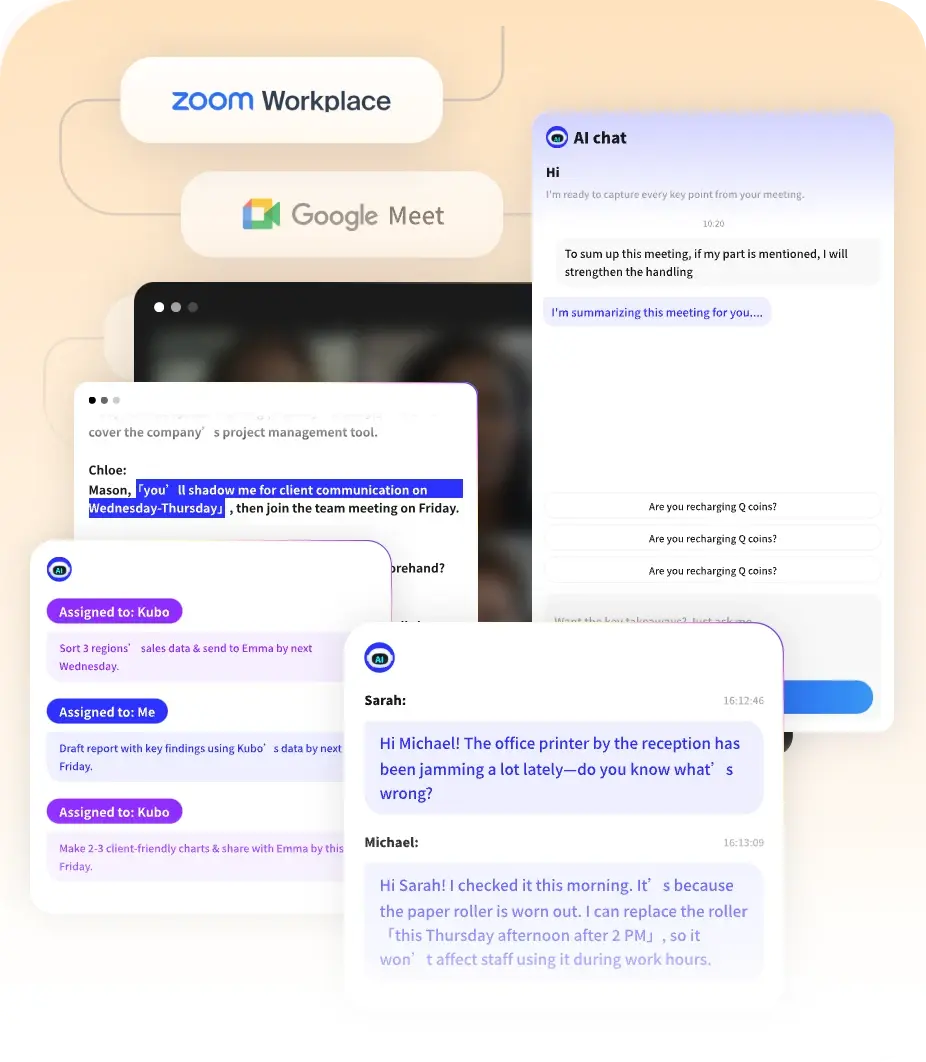
AI tools like MeetingNotes do this automatically. They listen to your meetings. They identify when tasks are assigned. They capture owners and deadlines. And they organize everything into a trackable format.
What AI action item tracking offers:
· Automatic extraction of tasks from meeting discussions
· Identification of owners and deadlines
· Organization into searchable, trackable lists
· Integration with project management tools
· Reminders and status tracking
The result is a complete action item list without manual work. You get the benefits of thorough tracking without the time investment.
Turn talk into trackable tasks. Try MeetingNotes for automatic action item extraction.
Conclusion
Turning discussion into action is a skill. It requires focus during meetings. It requires discipline in capture. And it requires systems for follow-through.
But the payoff is huge. Teams that master this skill get more done. They waste less time in repeat discussions. And they actually make progress on their goals.
Start with the basics. Capture specific tasks. Assign single owners. Set clear deadlines. And build a system for tracking and follow-up. Your meetings will become more productive. And your projects will move forward.