AI Summaries
 Action Items
 AI Chat
 Teams & Collaboration
 Teams & Collaboration
 Teams & Collaboration
 Teams & Collaboration
 Teams & Collaboration
 Teams & Collaboration
 Teams & Collaboration
 Teams & Collaboration
 Teams & Collaboration
 Integrations
  Personal Productivity
 Blog
Blog  Guide
Guide Meeting minutes are supposed to help teams stay aligned. But when done wrong, they create confusion. Important decisions get lost. Action items are forgotten. And people waste time arguing about what was actually agreed on.
The good news is that most meeting minute mistakes are easy to fix. You just need to know what to watch for. This guide covers the most common errors and shows you exactly how to avoid them.
Want mistake-free meeting minutes? MeetingNotes captures everything automatically so nothing gets missed.
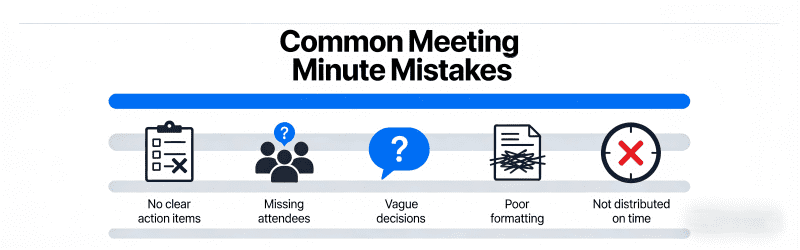
Mistake 1: Trying to Record Everything
The problem:
Some people think good minutes mean writing down every word. They type frantically during the meeting. They create pages and pages of notes. But the result is not useful.
Why it hurts:
· No one wants to read a transcript. People need summaries, not every word.
· Important points get buried in noise. Key decisions are hard to find.
· The note-taker cannot participate in the discussion.
How to fix it:
· Focus on decisions, not discussion. Capture what was decided, not everything said.
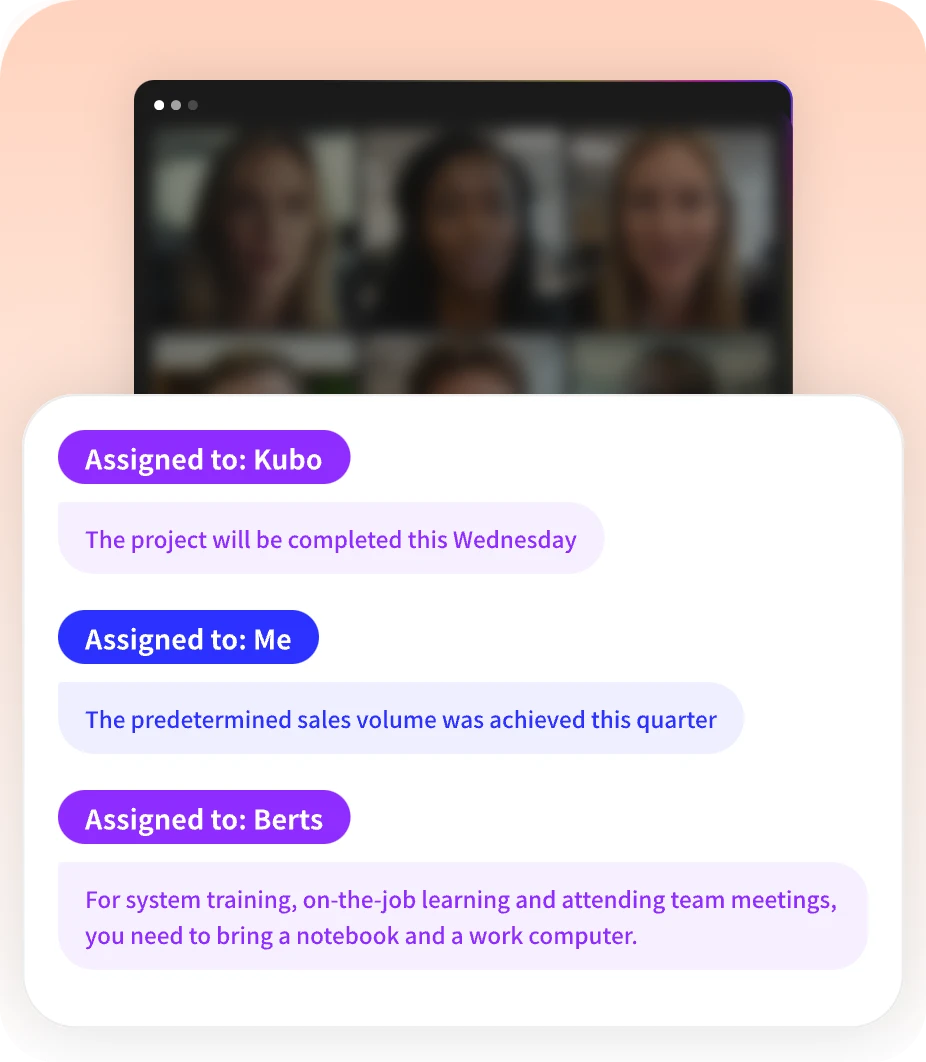
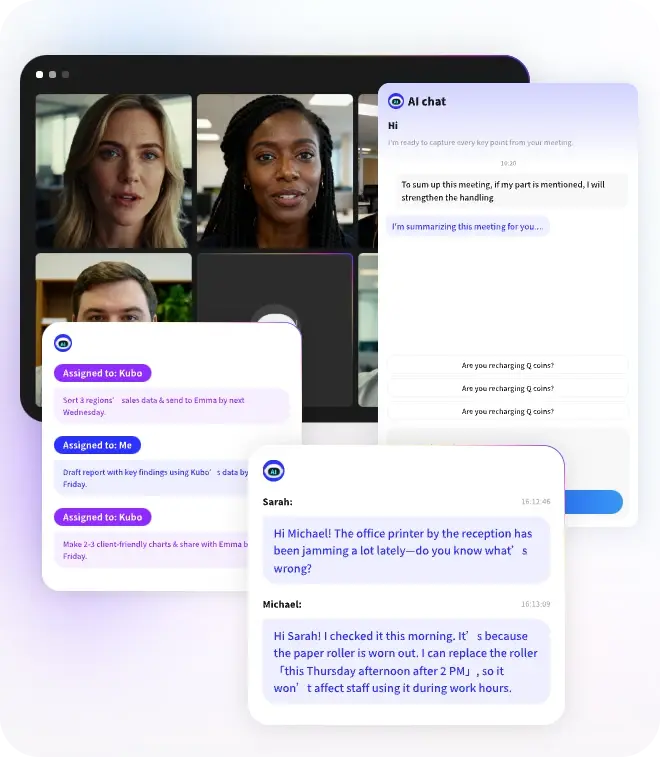
· Record action items with owners and deadlines.
· Summarize key points in a few sentences.
· Use AI tools like MeetingNotes to capture everything while you focus on the meeting.
Mistake 2: Vague Action Items
The problem:
Action items like follow up on marketing or look into budget issues are useless. No one knows exactly what to do. No one knows when it is due. And nothing gets done.
Why it hurts:
· Tasks are forgotten because they are not specific.
· No one takes ownership because it is not clear who is responsible.
· Follow-up meetings cover the same ground again.
How to fix it:
· Write specific tasks. Create Q2 marketing plan is better than work on marketing.
· Assign owners. Every task needs a specific person responsible.
· Set deadlines. Due dates create accountability.
· Example: Submit Q2 budget proposal by March 15 - Owner: Sarah.
Mistake 3: Waiting Too Long to Distribute
The problem:
Minutes sent a week after the meeting are almost useless. People have forgotten the discussion. They have moved on to other priorities. And the momentum from the meeting is gone.
Why it hurts:
· Memories fade. People remember different things.
· Action items lose urgency.
· People question decisions they do not remember making.
How to fix it:
· Send minutes within 24 hours. Same day is even better.
· Use templates to speed up formatting.
· Take minutes in real-time, not after the meeting.
· Use AI tools that generate minutes instantly.
Mistake 4: Forgetting to Track Action Items
The problem:
Minutes document what was discussed. But they do not track whether anything actually happened. Tasks are assigned and forgotten. Nothing gets followed up.
Why it hurts:
· Decisions do not turn into results.
· The same issues come up in meeting after meeting.
· People lose trust in the meeting process.
How to fix it:
· Create a separate action item tracker.
· Review previous action items at the start of each meeting.
· Update status on each item: completed, in progress, or blocked.
· Use tools that automatically extract and track action items.
Mistake 5: Including Too Much Detail
The problem:
Some minutes include every argument, every side comment, and every off-topic discussion. The result is long, messy documents that no one wants to read.
Why it hurts:
· Important information is hard to find.
· Minutes take too long to read.
· People stop reading them entirely.
How to fix it:
· Keep it concise. One to two pages is usually enough.
· Skip side conversations. Focus on official business.
· Summarize discussions in one or two sentences.
· Leave out personal opinions and emotions.
Mistake 6: Not Getting Approval
The problem:
Minutes sent without review can contain errors. Wrong decisions recorded. Wrong action items assigned. And once sent, these errors become the official record.
Why it hurts:
· Mistakes become permanent if not caught early.
· People lose trust in the minutes.
· Disputes arise about what was actually decided.
How to fix it:
· Have the meeting leader review minutes before sending.
· Send a draft to key participants for fact-checking.
· Formal meetings should have minutes formally approved at the next meeting.
Meeting Minutes Best Practices
Follow these habits for better minutes:
· Prepare a template before the meeting.
· Focus on outcomes, not conversation.
· Write clearly and objectively.
· Distribute quickly.
· Track action items separately.
· Review and approve before finalizing.
How AI Prevents These Mistakes
AI meeting tools like MeetingNotes solve many of these problems automatically. They capture everything without getting overwhelmed. They identify action items clearly. They generate minutes instantly. And they create consistent, professional output every time.
AI helps by:
· Capturing complete transcripts so nothing is missed
· Automatically identifying decisions and action items
· Generating minutes immediately after the meeting
· Formatting consistently with templates
· Creating searchable archives for easy reference
Stop making meeting minute mistakes. Try MeetingNotes for perfect minutes every time.
Conclusion
Good meeting minutes do not happen by accident. They require focus, discipline, and the right approach. By avoiding these common mistakes, you can create minutes that actually help your team get things done.
Remember the basics. Be concise. Be specific. Be timely. And consider using AI tools to handle the heavy lifting. Your meetings will be more productive. And your team will thank you.